Brooks’ Bubble Adventure: Wonder, Discovery and Sibling Fun
View Book


Books
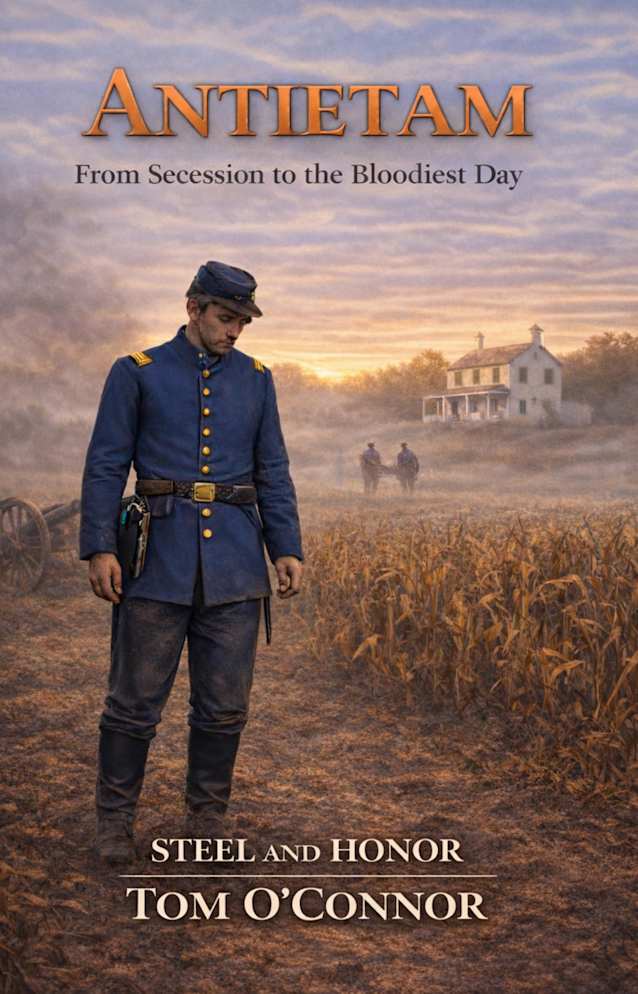
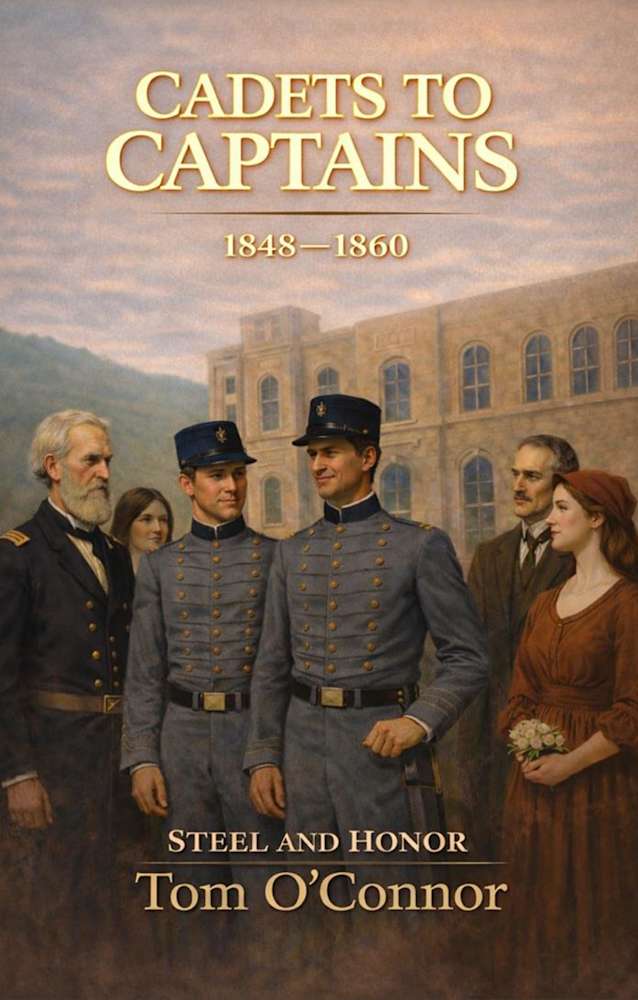
Cadets to Captains: : 1848-1860

They were roommates at West Point, forged as cadets in the same gray ranks and bound by the same oath to the United States Army. As the Army they loved began to fracture, their bond only grew stronger.

From the Hudson Highlands to the proving grounds of Texas and the coastal fortresses of the South, James Tanner and Nathaniel McAllister rise...

Read more

Brooks’ Bubble Adventure: Wonder, Discovery and Sibling Fun

“Brook’s Bubble Adventure” is a heartwarming and imagativepicture book for children ages 3-9. Join Brooks and his big sister Olivia as a simple bubble wand sparks a day filled with wonder, science, laughter and family fun! From backyard bubbles to a dreamy adventures in the sky. This playful story celebrates curiosity, sibling bonding and the...

Read more

Blog

The Iron Decade: How 1850s Railroads Helped Decide the Civil War

By Tom O'Connor

Before Gettysburg, before Antietam, before the first shot at Fort Sumter, the Civil War already leaned north. The advantage did not begin on a battlefield, camp, or inside a Washington cabinet room. It began beside smoking iron mills, muddy grading crews, timber bridges, and thousands of miles of new railroad track spreading across the North during the 1850s.

In 1850, the United States ran 8,589 miles of railroad....

They Already Knew, The Delafield Commission, Part 2 Three Men, One Ruined

They Already Knew, The Delafield Commission, Part 1: Three Men, One Ruined City, and the Lessons That Came Home

They Already Knew

The Delafield Commission, Part 1: Three Men, One Ruined City, and the Lessons That Came Home

On July 3, 1863, twelve thousand five hundred Confederate soldiers walked into a mile of open Pennsylvania farmland. Rifles met them at four hundred yards. More than half were dead or wounded before the survivors reached the stone wall.

Every officer on that field knew the...

They Already Knew

The Delafield Commission, Part 1: Three Men, One Ruined City, and the Lessons That Came Home


On July 3, 1863, twelve thousand five hundred Confederate soldiers walked into a mile of open Pennsylvania farmland. Rifles met them at four hundred yards. More than half were dead or wounded before the survivors reached the stone wall.

Every officer on that field knew the rifled musket’s range. They knew because three West Point officers had watched the same arithmetic play out at...

View All